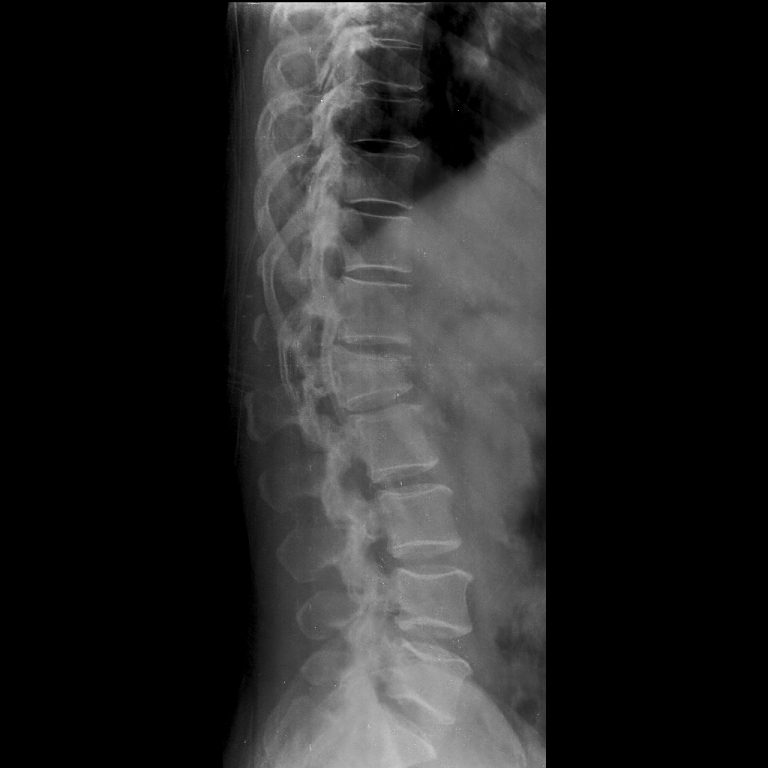
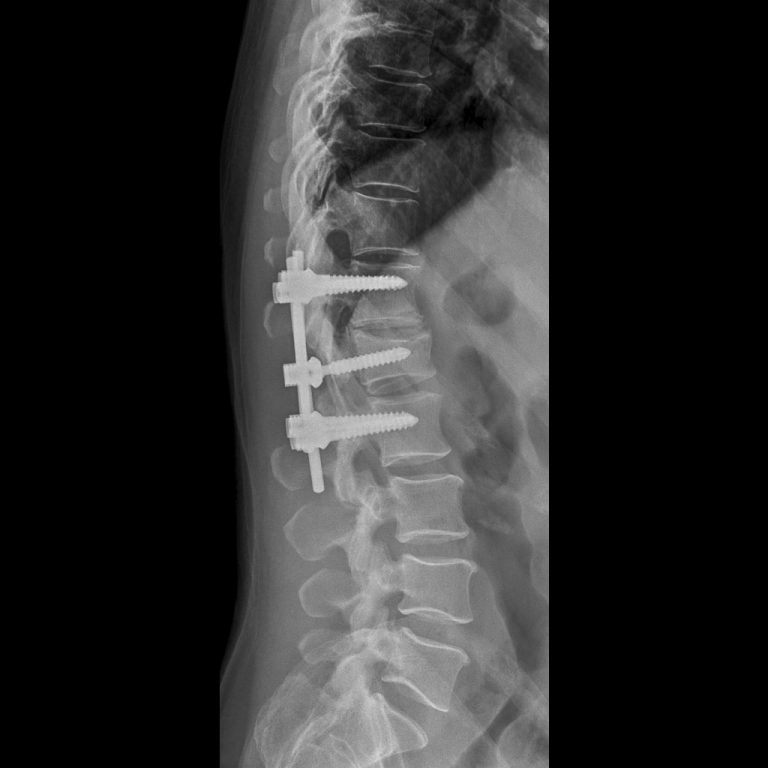
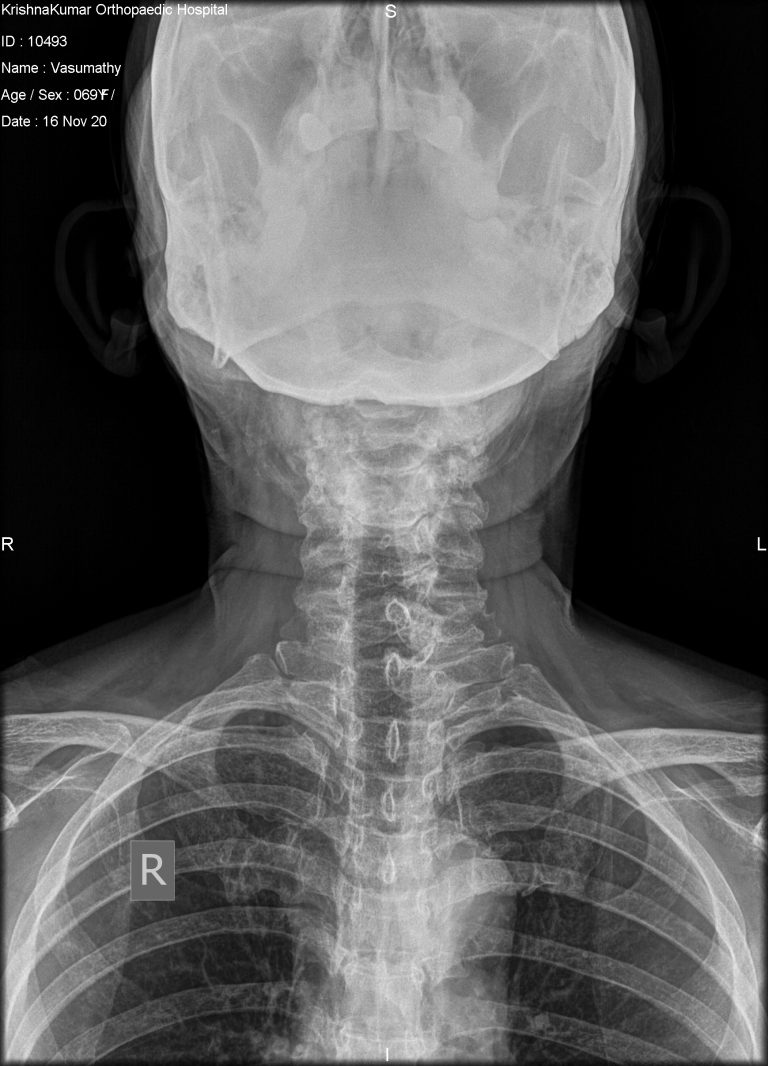
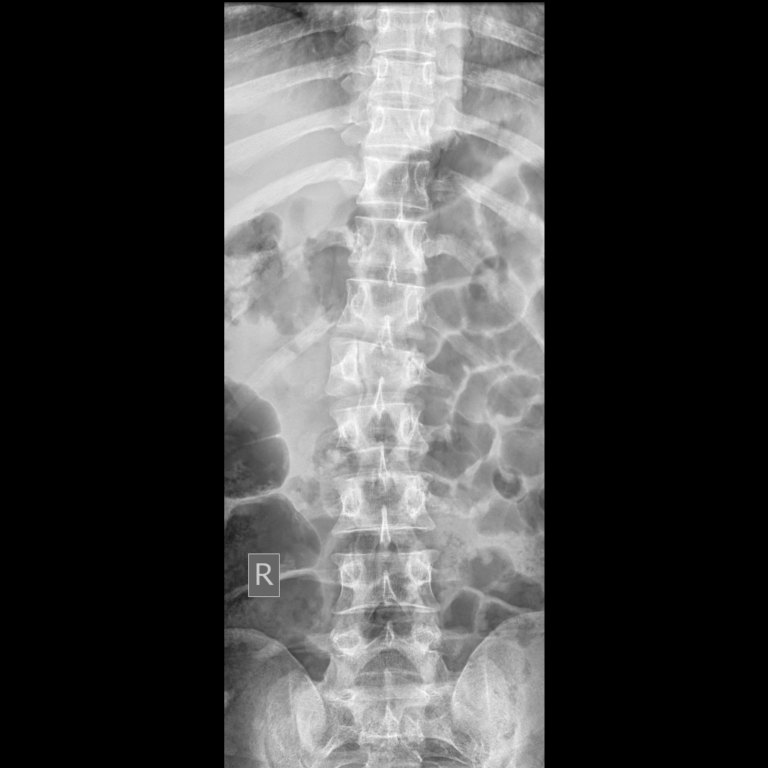
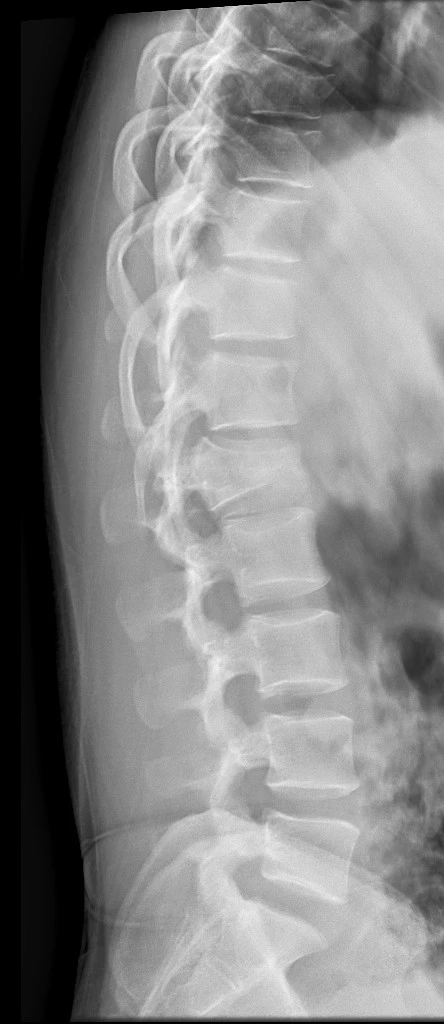
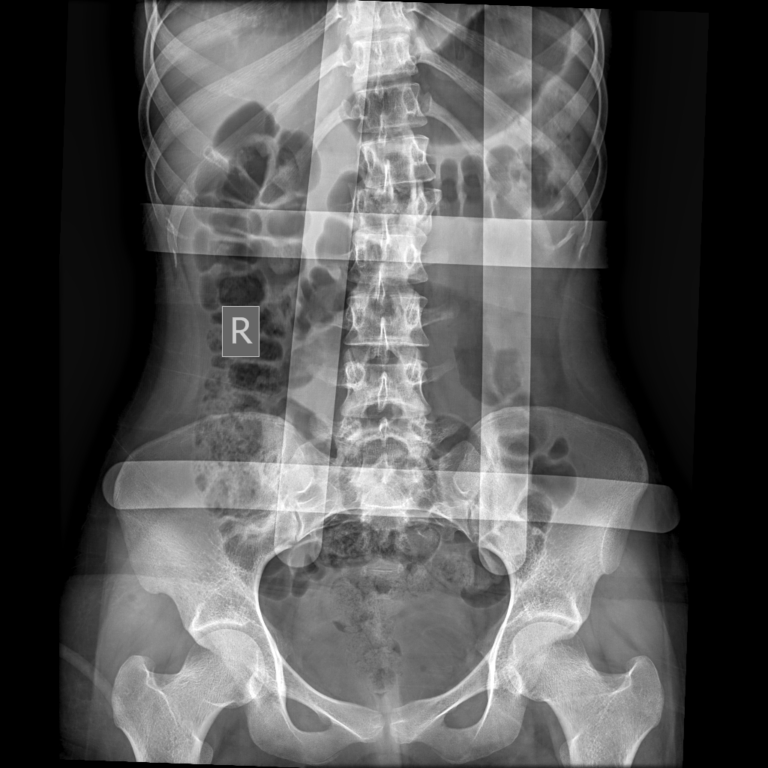
Diseases and injuries of the backbone are among the most common afflictions of humankind and one of the major reasons for seeking orthopaedic consultation. The backbone is made up of individual bones called vertebrae, which are bound together by a specialized tissue known as the intervertebral disc, commonly referred to as the disc.
The most common cause of back and neck pain is slipping of the disc, which leads to compression of the nerves or the spinal cord. Nerve compression causes pain that originates in the neck or back and radiates down the arm or leg — a condition commonly known as sciatica. Compression of the spinal cord can result in weakness or even paralysis of the arms or legs. A slipped disc is therefore a serious condition that requires immediate medical attention.
Another cause of back pain is lumbar canal stenosis, a condition in which the space through which the spinal cord passes becomes narrow and starts pressing on the spinal cord. This results in back pain and weakness of the limbs. Fractures of the backbone with bone fragments pressing on the nerves are considered a surgical emergency. In some patients, the backbone may shift out of its normal position, causing severe back pain — a condition known as spondylolisthesis.
All these conditions require surgery to prevent the worsening of symptoms and to avoid neurological complications. In the past, spine surgery was extensive and laborious. Extensive dissection of the muscles, removal of major portions of the back bone, prolonged bed rest, and restriction of activities were all common complications associated with traditional spine surgery.
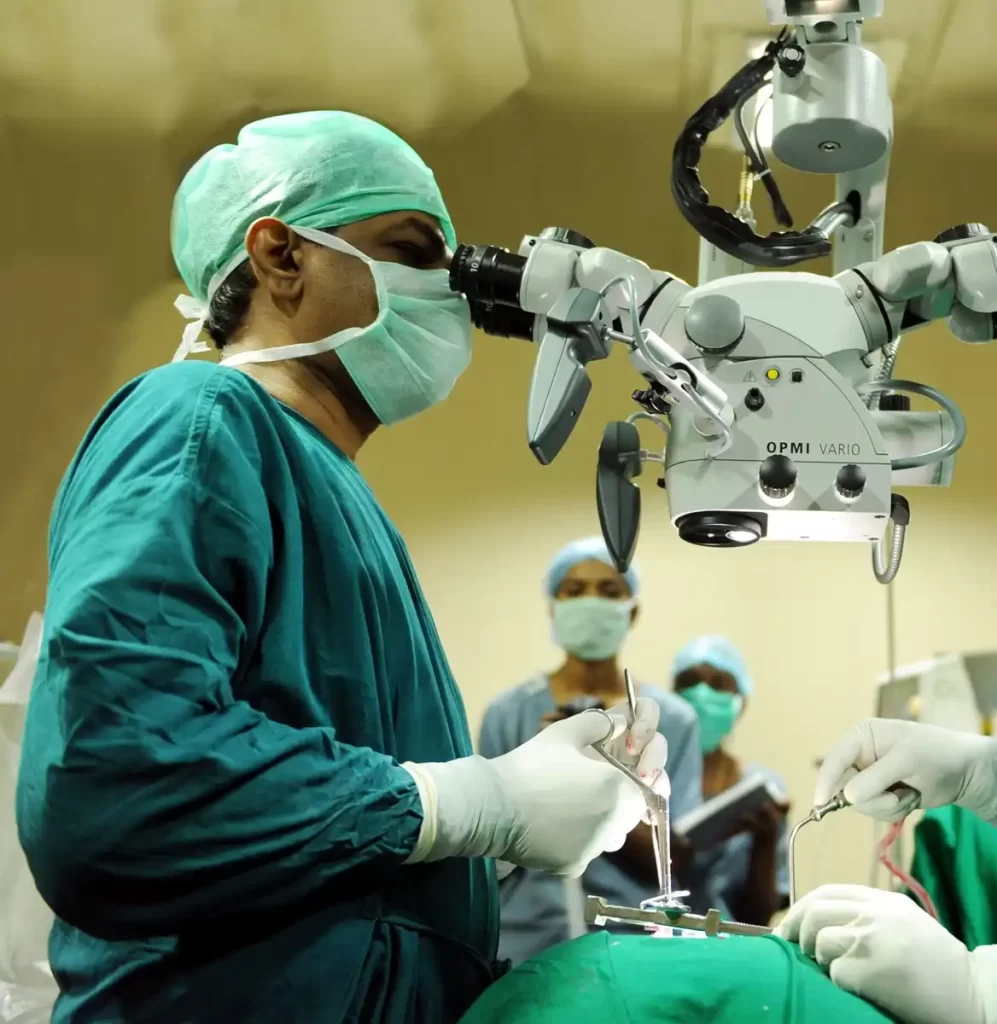
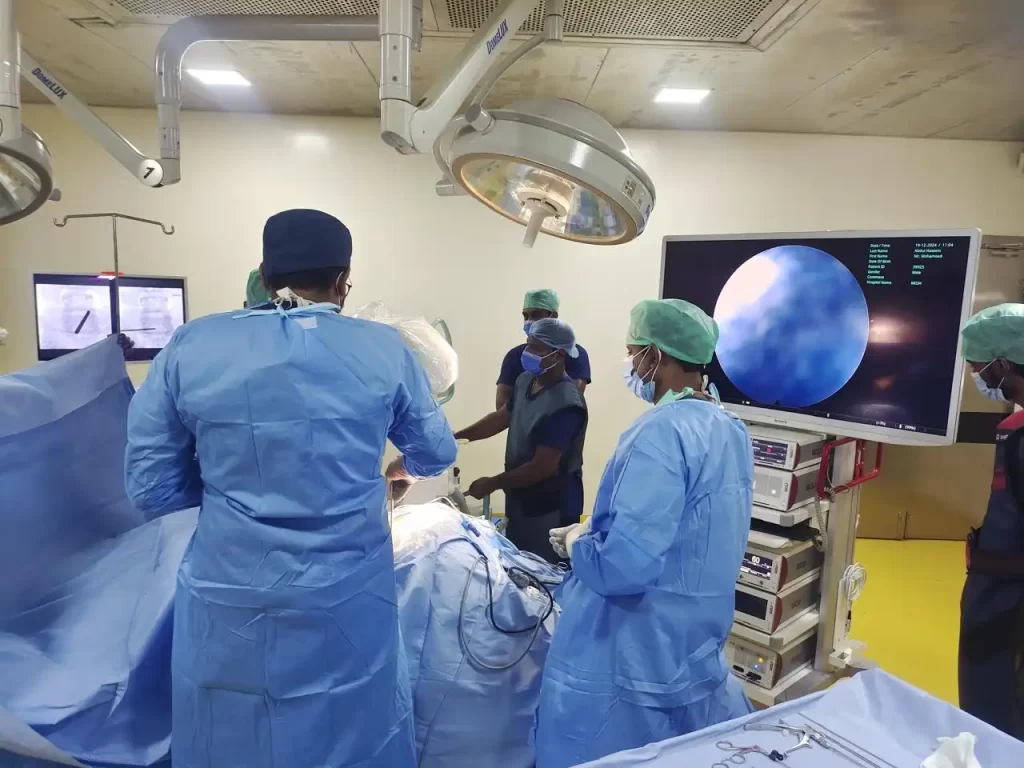
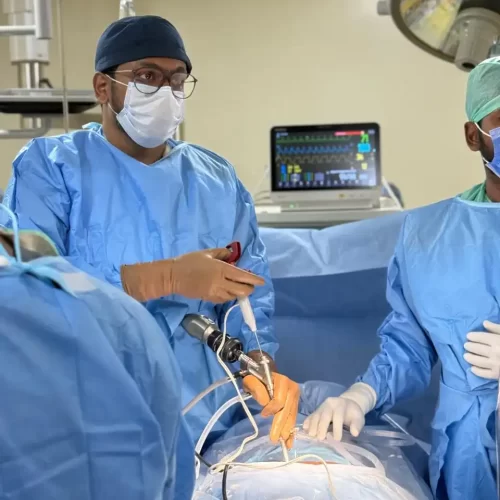
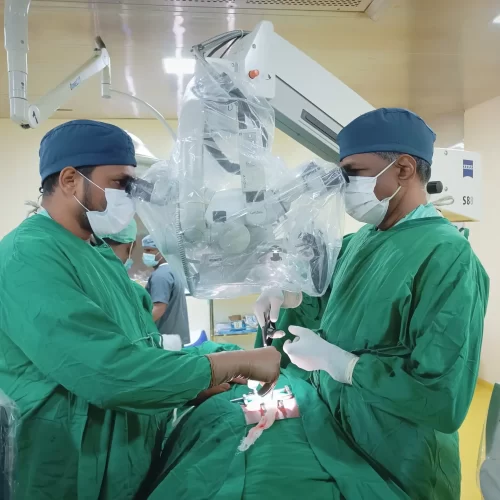
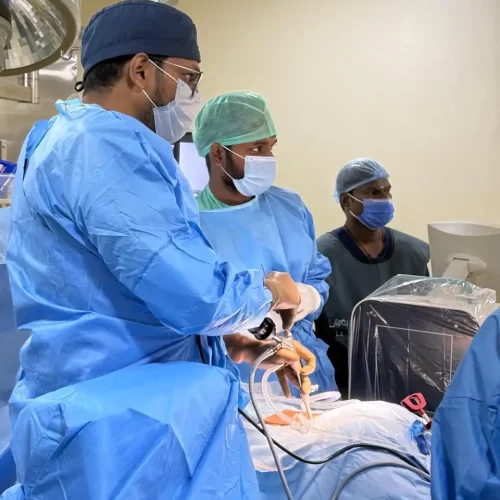
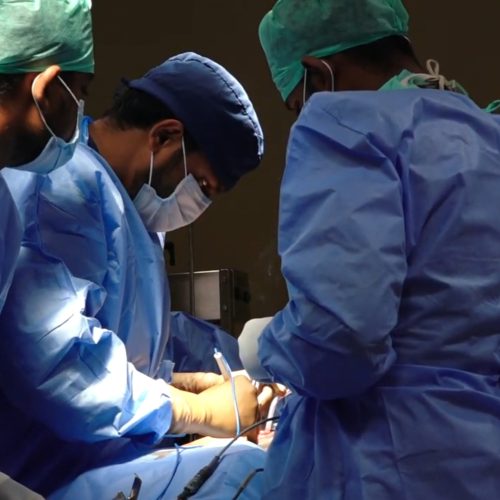
Today, technological advances in optics and the development of advanced camera and display systems such as 4K technology have made spine surgery a simpler and safer procedure. These are known as minimally invasive techniques because they require only small skin incisions. There are two main techniques: microdiscectomy and endoscopic discectomy. In a microdiscectomy, a small incision is made in the skin, and the surgery is performed with the help of an operating microscope that provides a magnified view of the affected area. An endoscope is a thin, specialized telescope that can be inserted into tissues through a small incision to reach the target area. A camera system and display monitor are connected to the scope to view the interior of the body, allowing the surgeon to operate while viewing an enlarged image of the deeper tissues.
Special instruments and equipment are required for this surgery. Using this technique, surgeons can not only remove the disc but also widen the spinal canal in cases of stenosis and relieve nerve root compression caused by other factors, all with the help of the endoscope. This procedure requires specialized training in the use of endoscopic equipment. KKOH has pioneered the use of endoscopic surgery in the treatment of spinal disorders. For further details or to book an appointment with a spine specialist, please contact the reception.
Endoscopic spine surgery is the latest addition to our services
A small instrument called endoscope is introduced through a small stab wound and surgery is performed. Used extensively for disc removal at low back and neck. Dilation of the spinal canal is done with endoscope using specially designed burrs. The major advantages of this procedure are no damage to normal tissues unlike open surgery. Therefore, recovery is early very short hospital stay, minimal pain, the need for pain medications is limited early return to work less chances of complications like dural tear and nerve root damage.
Early recovery
Minimal blood loss
Less pain, small incision
Shorter hospital stay
Quick return to work
represents our primary approach for most spinal conditions.
Advanced endoscopic techniques allow surgeons to remove herniated disc portions through single
incisions of less than one centimeter, Lumbar canal stenoses cervical disc removal, minimally invasive fusion of spine providing minimal blood loss and faster recovery.
This also done by minimally invasive technique
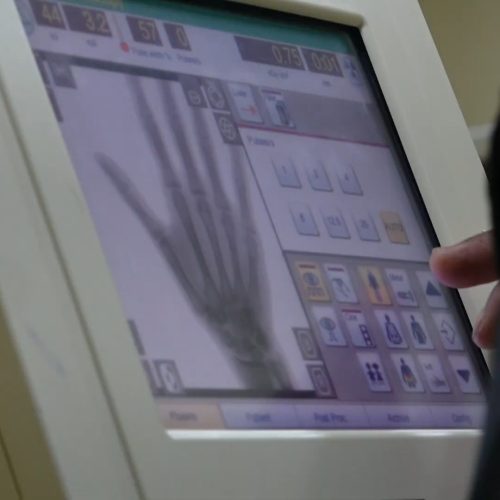
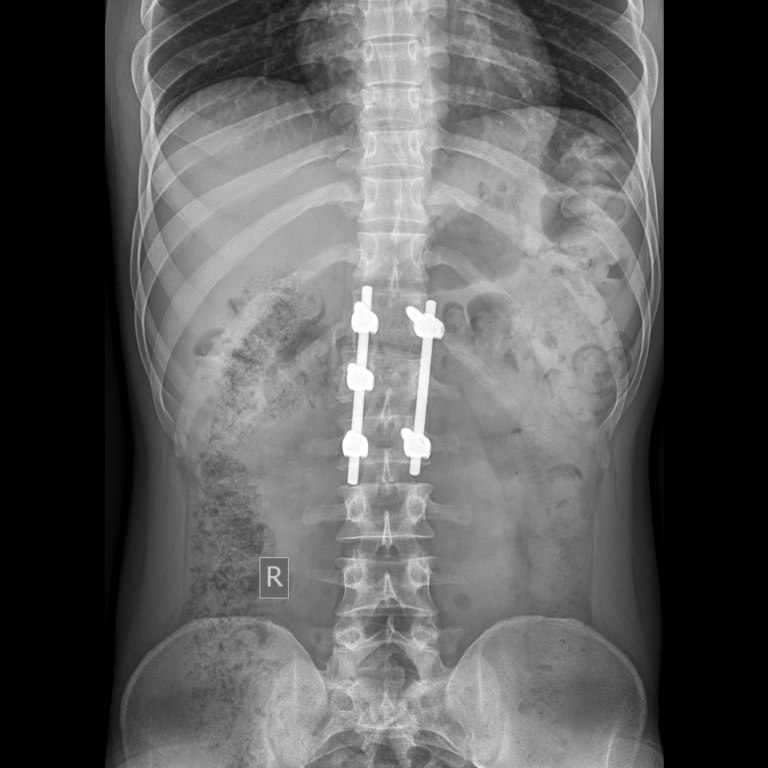
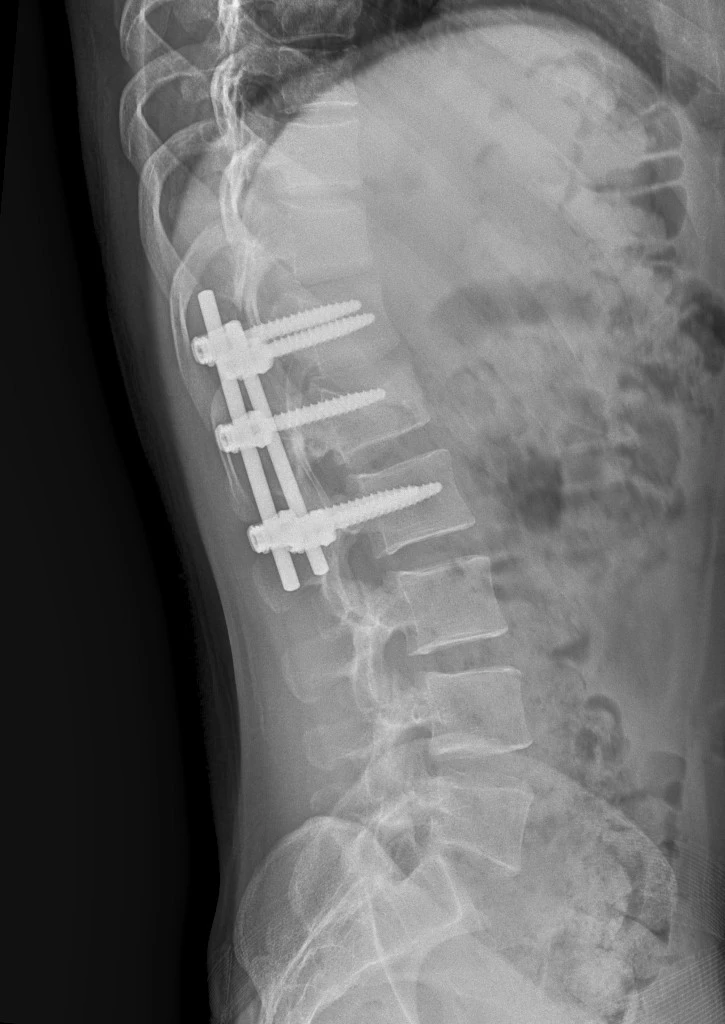
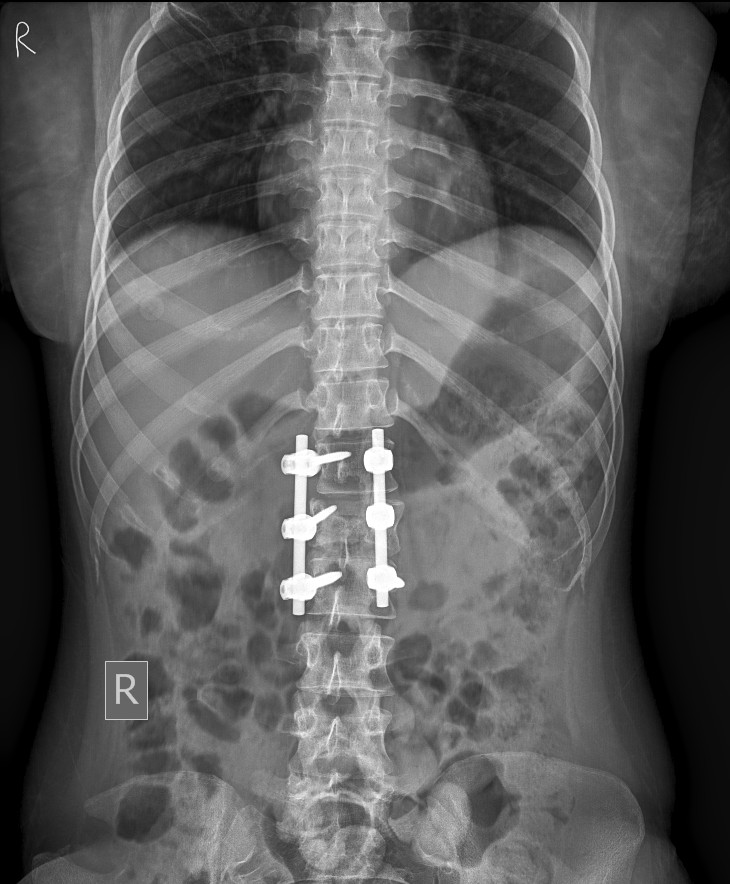
Screws and rods for spine stabilisation are done under a special technique called image
intensification – again minimal tissue damage and faster recovery
address herniated discs causing nerve compression. We offer both traditional
and endoscopic approaches, with success rates for endoscopic microdiscectomies equivalent to open procedures according to studies including 10,228 patients.
Laminotomy and foraminotomy are some procedures that expand the canal through which the spinal nerves travel.
Herniated discs are removed from the lumbar and cervical region funding endoscopy
Decompression surgery for spinal canal stenosis is also done endoscopic


Our endoscopy system uses the advanced 4K technology from Rivo spine, Germany. This technology involves high end image capture system giving natural colours to the tissues.
Therefore differentiation is easy preventing injury to normal structures
Hospitalization after spine surgery typically lasts 1-3 days, with physiotherapy sessions averaging 5-9 weeks depending on the procedure type and patient condition. Our comprehensive rehabilitation program begins within 24-48 hours post-surgery.
Most patients experience significant pain relief and improved mobility within weeks of surgery. Recovery times for minimally invasive procedures typically range from 4-6 weeks, allowing patients to return to normal activities much faster than traditional surgery.
Long-term outcomes demonstrate excellent success rates with modern spine surgery techniques. Patients report substantial improvements in quality of life, mobility, and pain management. Our follow-up care ensures proper healing and addresses any recovery concerns.
KKOH works with various insurance providers to ensure accessible quality spine care for all patients in Tamil Nadu, with most insurance companies covering spine surgery as medically necessary treatment.
Copyright © 2025 KRISHNAKUMAR ORTHOPAEDIC HOSPITAL AND Private Limited Company – All rights reserved. Powered by Demanzo